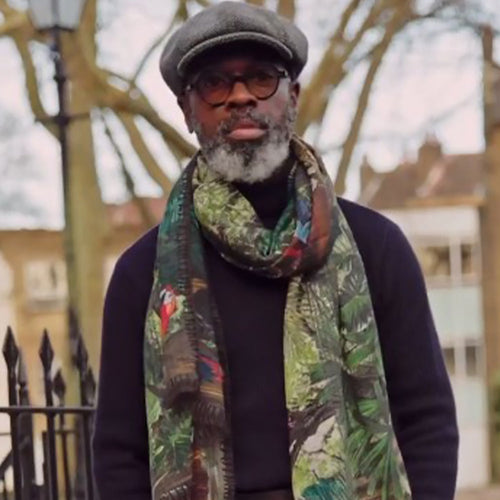
Silk scarf in contemporary elegance: history, art, and eight ways to wear an icon of style
Summary
 Discover Fumagalli 1891 historical Cities silk scarves collection
From practical accessory to style icon
Originally a functional item, the scarf has transcended eras and cultures to become a coveted fashion statement. From ancient Rome, where the sudarium was used to wipe sweat, to the 17th-century French court, where Croatian mercenaries’ neckerchiefs inspired the cravat, the scarf has always held a distinctive role. However, it was in the 20th century that the scarf truly became a style icon, thanks to fashion houses like Hermès, which elevated it to wearable art.
The carré: when a scarf becomes “wearable art”
The carré epitomizes elegance and craftsmanship in the world of scarves. This square format, typically 90x90 cm, is much more than a simple accessory—it’s a silk canvas interwoven with stories, symbols, and traditions. Each carré is the result of a meticulous process that combines the creativity of artists and designers with the expertise of textile artisans.
The printed designs on a carré range from nature-inspired scenes to cityscapes, abstract geometries, and reinterpretations of historical themes. Every detail is carefully crafted to capture attention and tell a unique story, transforming the scarf into a piece of wearable art.
The quality of a carré is evident not only in the beauty of its designs but also in its attention to detail: the silk twill, with its soft and luminous texture, and the hand-rolled and stitched edges, which give the scarf unparalleled elegance. Wearing a carré means carrying a piece of tradition and creativity—a timeless accessory that celebrates the art of textiles in all its refinement. Discover the luxury archival collection of silk scarves
How to choose the perfect scarf: fabrics, sizes, patterns
Choosing the perfect scarf is an art that requires a keen eye for detail and a deep understanding of quality. The fabric is the first element to consider: silk twill is the ideal choice for its soft yet structured texture, which ensures impeccable draping and a unique luminosity that enhances colors and printed patterns.
Size plays a crucial role in the scarf’s versatility. The classic 90x90 cm format is the most popular, offering endless styling possibilities without being cumbersome. This size allows for elegant knots, sophisticated drapes, or even transforming the scarf into a clothing item.
Finally, selecting patterns is a moment of personal expression. Designs range from timeless classics to bold modern interpretations, with color palettes spanning vibrant and bright tones to softer, more muted shades. A well-chosen scarf not only enriches your wardrobe but also complements your complexion and reflects your personality, becoming an extension of your style.
8 elegant ways to wear it
The beauty of a scarf lies in its transformative ability. Here are eight stylish ways to wear it:
- The classic french knot
Fold the scarf diagonally into a long, thin band. Wrap it around your neck, crossing the ends behind you, and bring them to the front. Tie a neat double knot slightly off-center. This method pairs beautifully with crisp white blouses or cashmere crewneck sweaters. - The graceful turban
Channel classic cinematic glamour by folding the square into a triangle. Drape the long folded edge over your hairline, cross the two ends under your chin, and tie them gently at the nape of your neck. This style protects your hair from the wind while exuding natural sophistication. - The modern choker
Fold the scarf into a narrow band. Wrap it snugly around your neck two or three times, depending on your preference, and secure it with a tiny knot at the back. This creates a sleek, contemporary look that pairs perfectly with deep V-necklines. - The bag accent
Give a structured handbag a fresh twist. Fold the scarf into a thin strip and wrap it tightly around the handle from one end to the other, securing both sides with discreet knots. This protects leather handles while adding a vibrant pop of color to your ensemble. -
The silk belt
Thread a lively patterned silk square through the loops of high-waisted trousers or a neutral skirt. Fold the scarf diagonally to maximize its length and tie a relaxed knot or bow at the hip. This softens tailored pieces and beautifully cinches the waist. - The evening drape
For formal occasions, let the fabric speak for itself. Simply fold the scarf into a triangle and drape it symmetrically over your shoulders like a delicate shawl. Secure it just below the collarbone with a vintage brooch. - The halter top
Transform your accessory into a stunning summer garment. Fold two adjacent corners of the square toward the center. Tie the top corners securely behind your neck and wrap the bottom corners around your waist, knotting them at the lower back. Pair it with wide-leg linen trousers for a flawless resort look. -
The wrist wrap
Replace heavy jewelry with a soft touch of silk. Fold the scarf into a narrow band and wrap it multiple times around your wrist. Secure it with a small but noticeable knot. This bohemian yet refined touch works exceptionally well during warmer months
 Discover the hiconic Cities silk scarves
Care and maintenance: how to make it last
A quality scarf is an investment that can accompany you for years, but it requires a bit of care to preserve its beauty and integrity. Silk, with its delicacy and sheen, deserves special attention to maintain its elegance.
- Avoid tight knots: Repeatedly tying the scarf in the same spot can stress the delicate silk fibers, compromising their durability over time. Alternate styling methods to distribute wear evenly.
- Perfume with caution: Spray your favorite fragrance before wearing the scarf, never directly onto the fabric. Silk is sensitive to alcohol and chemical residues, which can damage its texture or alter its colors.
- Gentle ironing: If needed, iron the scarf with extreme care, using a protective cloth between the iron and the silk. Avoid high temperatures, which can dull the surface or leave permanent marks.
- Proper storage: After use, store the scarf flat or gently rolled, avoiding sharp creases that could become permanent. If possible, keep it in a breathable fabric pouch to protect it from dust and direct light.
For silk scarves, the best option is to rely on a trusted dry cleaner specializing in delicate garments. Experts will treat the fabric with the most suitable detergents and techniques, preserving its softness and vibrant colors.
Caring for a scarf is not just an act of attention but a way to honor the craftsmanship and value of an accessory that transcends time and trends. With the right care, your scarf will continue to tell stories of elegance for many years to come.
Conclusion: an investment in elegance
A scarf is not just an accessory but an investment in style and sophistication. Every knot, every drape is an opportunity to express your personality and celebrate the art of silk. By choosing a high-quality scarf, you’ll not only enrich your wardrobe but also embrace a piece of history and craftsmanship that transcends fleeting trends.
Discover the historical archive silk scarves collection